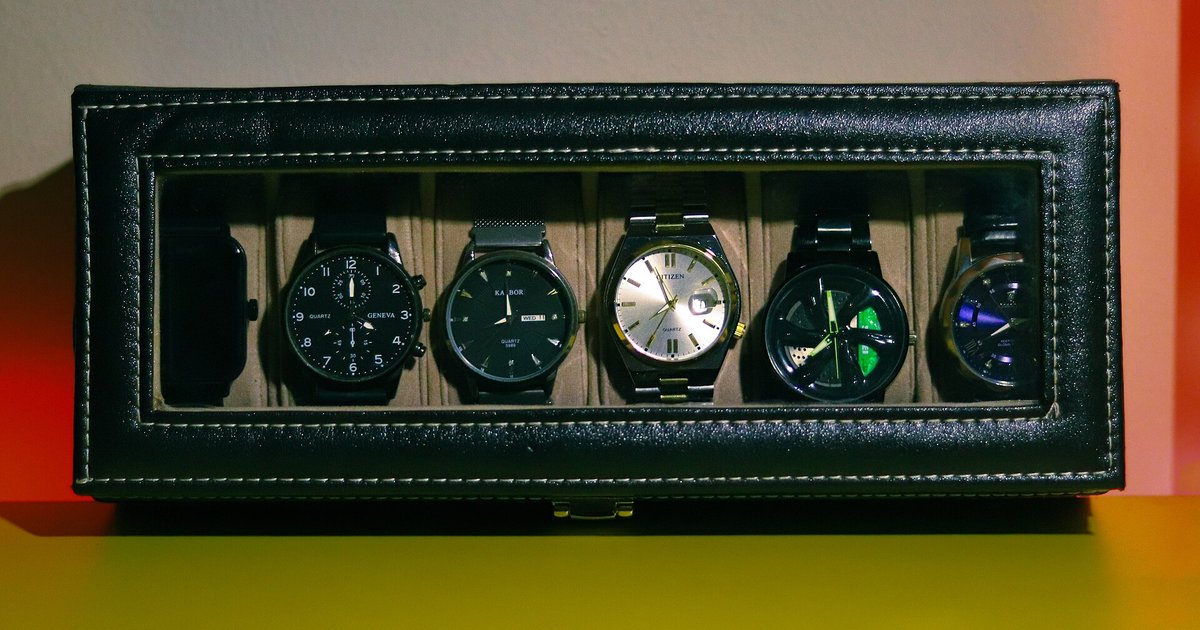
Quick answer: start from what you would grieve. Irreplaceable heirlooms belong in the SentrySafe SFW123, the only pick here with a UL Classified 1-hour fire rating and ETL-verified water resistance. Everyday rings and chains are better served by concealment, which is the Paragon In-Wall Safe recessed behind closet clothes. A watch collection that travels wants the Vaultek LifePod 2.0, which tethers to a hotel-room fixture instead of staying home.
What a Jewelry Safe Has to Survive
Jewelry storage is unusual because the contents are small, extremely dense in value, and vulnerable to two unrelated events. A burglary is fast and physical: national crime statistics put the typical residential break-in at a few minutes inside the house, and a small safe that is not anchored is simply part of the haul. A house fire is slow and thermal, and it attacks the organic material in a jewelry box long before it touches the metal.
Three specifications decide whether a safe handles both. The first is anchoring. Look for pre-drilled base or rear holes and a published bolt pattern, then actually use them, because an unanchored box under thirty pounds is a portable container rather than a safe. The second is certification wording. A UL Classified fire rating is a third-party test result; a manufacturer-stated number of minutes is a claim by the manufacturer, and the two are not interchangeable. The third is interior environment, which almost nobody shops for and which matters more for jewelry than for cash or deeds.
Capacity deserves one note. Jewelry takes up almost no volume, so buyers routinely over-buy on cubic feet and under-buy on certification. A single cubic foot swallows a full jewelry armoire's contents with room for a watch case. Spend the budget on the rating and the install instead.
Humidity Is the Quiet Problem Inside a Fire Safe
Here is the trade-off nobody puts on the box. Most fire-rated safes insulate with a poured gypsum-style composite that holds water chemically. During a fire that water converts to steam and carries heat away, which is precisely how the rating is achieved. At rest, a little of that moisture keeps the sealed interior humid, which is why owners of brand-new fire safes so often report slightly damp paperwork, and why sterling silver put away bright can come out grey months later.
The remedy costs very little. Rechargeable silica gel canisters, or anti-tarnish strips sized to the interior, sit in the bottom of the safe and get swapped on a calendar rather than when the problem is visible. The same desiccant logic that keeps rifle bores from pitting applies here, and our guide to keeping a safe interior dry covers the rod and canister options in more detail. Soft pouches help too: a lined watch roll or a tarnish-resistant cloth bag keeps metal off the bare steel floor, where condensation collects first.
Heat is the other limit worth understanding before you buy. The UL fire classification for a records safe is written around paper, so the test holds the interior below roughly 350 degrees Fahrenheit. Gold, platinum and stainless steel are untroubled by that. Pearls, opals, amber, coral and oil-treated emeralds are not, and neither are the gaskets, seals and lubricants in a mechanical watch. A fire rating is still worth paying for, but for organic gems it is damage limitation rather than a guarantee.
Three Safes for Three Different Jewelry Problems
SentrySafe SFW123
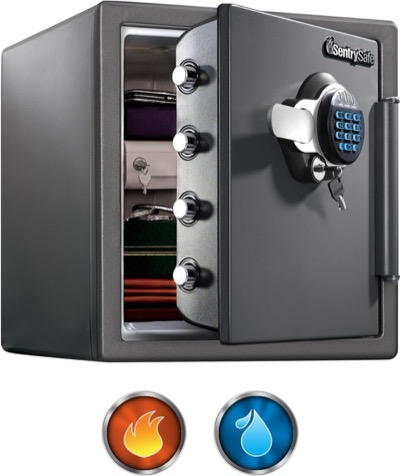
UL Classified for one hour of fire protection and ETL verified to resist up to eight inches of standing water for twenty-four hours, with 1.23 cubic feet inside and a digital keypad backed by a key. The certification pair is what sets it apart in this lineup, and it is a premium-tier purchase rather than a cheap one.
Check price on Amazon →Paragon In-Wall Safe

Built to drop into a cavity between 16-inch studs with the mounting hardware in the box, so the finished install sits flush and disappears behind hanging clothes. An electronic keypad with a backup key keeps daily access quick. No fire rating is published for it, which is the honest limit of the format.
Check price on Amazon →Vaultek LifePod 2.0
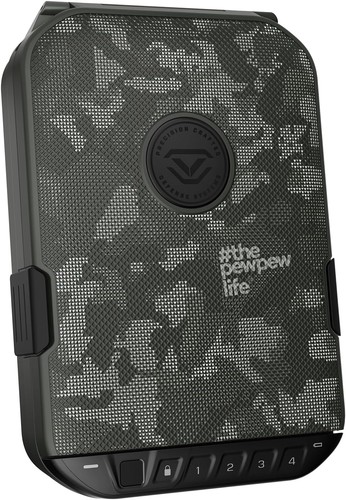
Weather resistant to IP65 with an included 48-inch steel security cable, so it tethers to a fixed object in a hotel room, a rental car or the trunk of your own. Power comes from a single 9V alkaline battery, sold separately, with a micro-USB port that can run the lock if that battery goes flat on the road.
View on Amazon →Certification and Concealment, Side by Side
Certifications below are taken from the issuing body or the manufacturer specification sheet. Where a rating is not published for a model, the cell says so rather than guessing at a number.
| Safe | Brand | Lock | Fire / Water Rating | Install | Best For | Price | Link |
|---|---|---|---|---|---|---|---|
| SentrySafe SFW123 | SentrySafe | Digital keypad + backup key | UL Classified 1-hour fire; ETL verified water | Floor, pre-drilled anchor holes | Heirlooms and mixed valuables | $$$ | View |
| Paragon In-Wall Safe | Paragon | Electronic keypad + key | None published | Between 16-inch studs, hardware included | Everyday pieces, concealed | $$ | View |
| Vaultek LifePod 2.0 | Vaultek | Keypad | IP65 weather resistance; no fire rating published | Portable, built-in tether cable | Watches on the road | $$$ | View |
Price tiers are approximate. $ = under $50, $$ = $50 to 150, $$$ = $150 to 300, $$$$ = over $300. Tap any link for the current Amazon price.
The Certified Pick for Irreplaceable Pieces
If the jewelry box holds a grandmother's ring or a watch that has been handed down, the fire and water certifications are the reason to buy. SentrySafe's SFW123GDC page lists both, and the two tests come from different bodies: fire endurance from UL 72 and water from Intertek's ETL program. The SentrySafe SFW123 carries a UL Classified rating for one hour of fire protection and an ETL verification for water resistance in up to eight inches of standing water for a full day, which covers both the fire and the fire department. Interior volume is 1.23 cubic feet, generous enough that most buyers end up storing passports, deeds and a camera body in there alongside the jewelry. Check price on Amazon.
Two install notes matter more here than the specification sheet suggests. First, the water verification assumes a closed, undamaged safe sitting upright, so a unit anchored on a basement floor in a flood zone is doing the opposite of what the rating describes. A closet floor on the main level is the better spot. Second, anchoring is still required. The SFW123 is heavy for its size but not heavy enough to defeat two motivated people with a hand truck, and the pre-drilled holes exist for exactly that reason. Buyers who want a thicker body and a burglary rating rather than a records rating should look at our burglary-rated home safe picks instead, accepting a weaker fire story in exchange.
Keep a desiccant canister in the bottom from day one. This is the model where owners most often notice the gypsum humidity effect, simply because it is the roomiest sealed box in the lineup.
Concealment for the Pieces You Wear
Jewelry you reach for daily does not belong behind a dial you have to spin every morning, and it is rarely the part of the collection that would be mourned. For that tier, being unfindable beats being armoured. The Paragon In-Wall Safe recesses into the cavity between standard 16-inch studs and ships with its mounting hardware, so the door finishes close to flush with the drywall. Put it in a closet behind hanging clothes rather than on a bedroom wall under a picture frame, which is the first place a burglar checks. Check price on Amazon.
Be clear-eyed about what the format gives up. A wall safe is thin-bodied by necessity, the door is the only hardened surface, and nothing about drywall resists a pry bar for long. The security comes from the search, not the steel. That is a reasonable trade for everyday rings and chains and a poor one for the single piece you could not replace, which is what the certified safe above is for. If you are weighing cavity depth, stud spacing and decoy options, the full field is in our wall safe comparison, and renters who cannot cut drywall at all should start with the apartment-friendly options that anchor without permanent changes.
Watches That Leave the House
A watch collection spends a surprising share of its life in luggage, and a hotel room safe is a shared-code box bolted to a closet shelf by the property. The Vaultek LifePod 2.0 is the answer that travels with you: weather resistant to IP65, keypad opened, and shipped with a 48-inch steel cable that loops around a fixed fitting so the box cannot simply be lifted. Power is a single 9V alkaline battery, sold separately, and the micro-USB port on the body can run the lock if that battery dies mid-trip, which is the detail that keeps it from becoming a locked brick in a foreign city. View on Amazon.
It is not a fire container and Vaultek does not publish a fire rating for it, so treat it as theft deterrence and weather protection. At home it also works as an inner box: a tethered LifePod inside a larger anchored safe keeps watches off bare steel and separates them from paperwork.
What Jewelry Owners Report Over Time
Themes paraphrased from verified-purchase Amazon reviews and from discussion in /r/preppers, /r/homedefense, /r/personalfinance and watch-collecting threads, read as of October 2026:
- Tarnish and dampness are the most repeated long-run complaint about fire-rated safes, across brands rather than at one manufacturer. Owners who add silica gel early describe the problem as solved; owners who add it after noticing grey silver describe cleaning as the cost of learning.
- Theft reports almost always involve a safe that was never bolted down. The pattern in low-star reviews is consistent: the lock held, the anchor was missing, and the entire container left the house.
- Wall-safe buyers care about finish, not steel thickness. The recurring frustration is a door that stands proud of the drywall or a cavity with a pipe or wire in it. Owners who checked the stud bay with a detector before cutting report smooth installs.
- Insurance surprises come up as often as product complaints. Owners repeatedly discover the per-claim jewelry sublimit on a standard policy only after a loss, and several describe adding a scheduled rider as the step that mattered more than upgrading the safe.
- Portable boxes get judged on the tether, not the lock. Travellers consistently rate the included cable as the feature that changes behaviour, because it makes using the box in a hotel room the easy option.
These notes are aggregated from public reviews and discussion. Safe Picked does not own or test the products listed and does not make first-person claims about hands-on use.
Jacob’s read on this category
Jewelry is the one category where the interior of the safe can damage the contents while the safe performs exactly as certified. A records-safe rating is written around the scorch point of paper, not the crazing point of an opal or the seal on a mechanical movement, and the insulation that earns the rating keeps the sealed interior slightly humid for years. So I would rather see someone buy a certified safe one size smaller, anchor it properly, and spend the difference on desiccant, a scheduled insurance rider and a soft pouch, than buy a bigger box and leave it unbolted in a bedroom closet. Split the collection by what is replaceable. Concealment for the daily pieces, certification for the heirlooms, and a tethered box for whatever gets on a plane.
Jewelry Storage Questions, Answered
Does a fireproof safe actually protect jewelry?
It protects the metal far better than the stones. A UL Classified 1-hour rating holds the interior below roughly 350 degrees Fahrenheit, which gold, platinum and steel tolerate easily. Pearls, opals, amber, coral and oil-treated emeralds can craze or discolour below that threshold, as can watch gaskets and lubricants. Buy the rating, but treat it as damage limitation for organic gems.
Why does jewelry tarnish inside a new fire safe?
The gypsum-style insulation that earns the fire rating holds water chemically, and a little of that moisture keeps the sealed interior humid at rest. Rechargeable silica gel canisters or anti-tarnish strips, swapped on a calendar, fix it for a few dollars.
Is a wall safe secure enough for jewelry?
It trades steel for concealment. The body is thin and drywall does not resist a pry bar, but most burglaries are short and opportunistic, so a safe that is never found is never attacked. Good for everyday pieces behind a closet rod, wrong for the one item you could not replace.
Will homeowners insurance cover jewelry stored in a home safe?
Standard homeowners and renters policies usually cap jewelry theft at a per-claim sublimit in the low four figures regardless of appraised value or safe quality. Higher coverage normally comes from a scheduled personal property rider, and some carriers discount it when pieces are kept in an anchored or certified safe. This is general information rather than insurance or legal advice; verify the current terms with your own carrier.
Should a jewelry safe be bolted down or hidden?
Both, anchoring first. Any safe one person can carry is a container a burglar opens later at leisure, so use the pre-drilled holes into a stud or slab. Then conceal it: an anchored safe behind hanging clothes or recessed into a wall gets attacked less often than one in plain view.
What Earned a Place Here
Every pick links to a live Amazon listing that ships within the United States, and those listings get a recurring sweep for price-tier drift, retired ASINs and specification changes. Certifications are read from the issuing body or the manufacturer specification sheet, never from a retailer summary, and a rating that is not published is reported as not published rather than estimated.
Scoring weighs four things for this category: third-party fire or water certification where the format allows one, anchoring or concealment quality, interior environment and what it does to metal over years, and price tier relative to what the format can deliver. A safe that wins on cubic feet but offers no anchor pattern does not make the list.
If a listing has been discontinued or a price tier looks wrong, let us know and it gets checked on the next pass.