
Quick answer: sort by the trip, not the price. Flights and hotel nights both point at the Vaultek LifePod 2.0, because the hard shell satisfies the checked-baggage rule and the steel cable in the box is what substitutes for a bolt-down in a room you do not own. Road trips through hard cold or hard heat are the one case for the battery-free STOPBOX Tactical, and a California handgun purchase at the far end of the trip is the one case for the roster-listed RPNB Auto-Open.
What TSA Actually Requires in Checked Baggage
The federal rule is short and most of the confusion around it is invented. A firearm flies unloaded, in checked baggage only, inside a locked hard-sided container that completely secures it from being accessed, and you declare it at the airline ticket counter rather than at the screening checkpoint. The agency's transporting firearms and ammunition page adds two details worth reading twice: a case that can be pried or flexed open does not satisfy the rule even if a padlock is hanging on it, and the container a handgun was sold in is not automatically good enough for the trip.
Two myths are worth retiring here. The first is that the lock must not be a TSA-recognized one. TSA's own guidance permits any brand or type of lock on a firearm case. The second is that a combination or keypad case is disallowed. It is not, but there is a catch that matters more than the lock style: if screening needs to open the bag, passengers are required to provide the key or the combination to TSA personnel on request. In practice that means staying reachable near the counter until the bag has cleared, and it is the single most common way an otherwise compliant case turns into a missed flight.
Ammunition rides in checked baggage too. Properly packaged small arms ammunition up to .75 caliber for a rifle or pistol, magazines, and shotgun shells of any gauge may travel inside a magazine or container in the same hard-sided case as the firearm, but never loaded in the firearm. Airlines layer their own requirements, fees and quantity limits on top of all of this, so the carrier is the last call you make before you pack.
Locking a Handgun Down in a Hotel Room
At home the answer to a portable safe is a bolt. A hotel room gives you nothing to bolt into and no permission to drill, so the tether cable does that job instead, and the quality of your anchor point decides whether the cable is security or theater. Looping a cable around a nightstand leg is theater: the nightstand lifts. A bed frame rail welded to its base, the plumbing riser under the bathroom sink, or a fixed closet rod are all anchors that cannot leave the room through the door with a case attached.
This is why the included cable, rather than the lock, is the deciding spec for travel. A case with pre-drilled anchor holes and no cable means an aftermarket purchase and a guess at hole spacing. The same logic drives the vehicle version of this problem, which the guide to vehicle handgun safes works through in more detail for seat-rail and trunk-floor tethering.
One more hotel-specific habit: the in-room safe is not an upgrade over your own case. Hotel room safes are opened by staff with an override code as a matter of routine, which is a different threat model from the one you packed for.
Three Cases That Cover Flying, Driving and California
Vaultek LifePod 2.0 Weatherproof
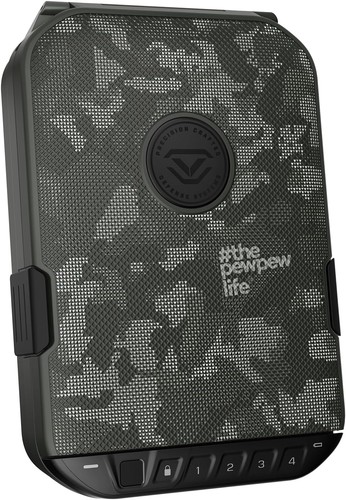
A hard polycarbonate shell rated IP65 against dust and water spray, with a separate 48-inch steel security cable included in the box rather than sold as an add-on. 4.7-star verified-buyer average, the highest in this group. Power is a single 9V alkaline cell (not in the box) good for roughly a year of standby, and a micro-USB port can run the lock from outside if that cell dies mid-trip. Manufacturer specifications are on the Vaultek LifePod 2.0 product page.
Check price on Amazon →STOPBOX Tactical (2-pack)
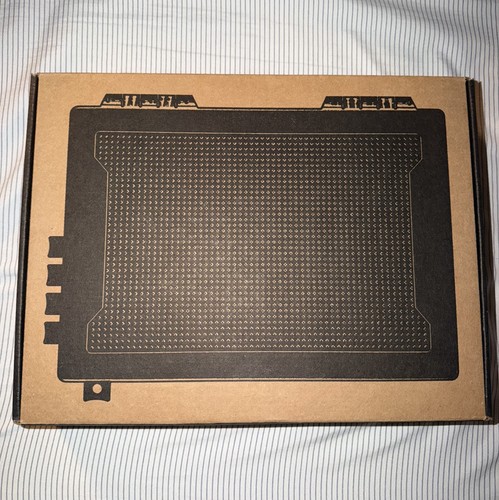
A 5-button push code drives a steel slide-lock with no electronics, no sensor and no battery, which removes every temperature and condensation failure mode from a road trip. 4.5 stars. The listing is a two-unit pack rather than a single box, which is why it sits a tier above the single-unit picks, and the second unit is genuinely useful: one lives in the vehicle, one in the suitcase.
Check price on Amazon →RPNB Cali DOJ Auto-Open
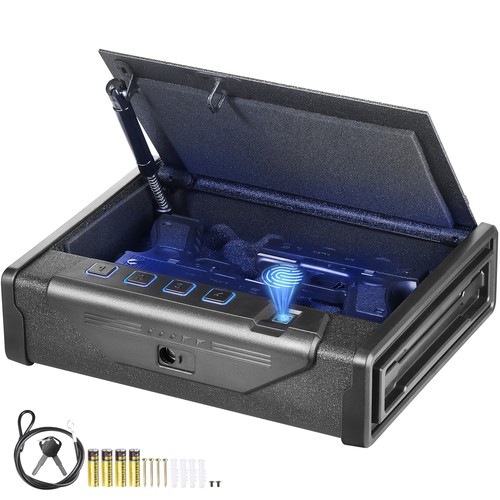
Fingerprint reader with a backup keypad and key, an auto-open lid, and a place on the California DOJ Firearm Safety Device roster. 4.4 stars. It is the one case here that does double duty as the rostered device a handgun bought in California has to be accompanied by. For how it compares with the LifePod on build and lock design, see Vaultek versus RPNB.
View on Amazon →Travel Cases Compared on Lock, Tether and Weather
Price tiers and star averages reflect the most recent verification pass against the live Amazon listings. Ratings are aggregate verified-purchase stars.
| Case | Brand | Access | Tether Included | Capacity | Rating | Price | Link |
|---|---|---|---|---|---|---|---|
| Vaultek LifePod 2.0 Weatherproof | Vaultek | Fingerprint, keypad, key | Yes, 48-inch steel cable | 1 pistol | 4.7 | $$$ | View |
| STOPBOX Tactical (2-pack) | STOPBOX | 5-button mechanical code | Check listing | 1 pistol per unit | 4.5 | $$$ | View |
| RPNB Cali DOJ Auto-Open | RPNB | Fingerprint, keypad, key | Check listing | 1 pistol | 4.4 | $$ | View |
| ENGPOW Accordion File Organizer | ENGPOW | Zipper, no lock | Not applicable | Permits and paperwork | 4.6 | $ | View |
Price tiers are approximate. $ = under $50, $$ = $50 to 150, $$$ = $150 to 300, $$$$ = over $300. Tap any link for the current Amazon price.
The Paperwork That Travels With the Gun
The case is half the problem. Permits, non-resident licenses, range memberships and the airline's own firearm declaration form all travel with you, and the usual failure is a folded stack in a jacket pocket. The ENGPOW accordion file organizer (4.6 stars, budget tier) is a 13-pocket expanding file with a fire-resistant shell that folds flat into a suitcase, which keeps one tab per state rather than one pile per trip. Treat the fire resistance as the manufacturer's own claim: this is a fabric organizer, not a UL-tested or ETL-verified safe, and it has no lock. It is a filing tool that survives a bad day, not storage.
If the documents are the part you actually worry about losing, the certified document safes guide separates the UL and ETL listed boxes from the resistant ones.
Rostered Devices and the California Leg of the Trip
The California DOJ Firearm Safety Device roster is a point-of-sale requirement rather than a travel rule, and conflating the two is the most common mistake in this corner of the category. The roster governs the device that must accompany a handgun sold or transferred in the state, so it is what matters if you buy a handgun while you are in California, not what you need in order to fly into it. The California Attorney General publishes the current list of certified firearm safety devices and the list changes, so check it against the exact model before a purchase. The RPNB Auto-Open above is the pick in this comparison that appears on it.
Two things the roster is not. It is not the Firearm Safety Certificate, which is a certificate the buyer holds rather than anything about the container, so no safe is ever "FSC-approved". And it is not a substitute for the storage rules of whatever state you are driving through, which apply on their own terms. This is general product information rather than legal advice; verify the current law for every state on the route before you leave.
What Travelers Report After the Trip
Themes paraphrased from verified-purchase Amazon reviews and active subreddits (/r/CCW, /r/guns, /r/preppers, /r/homedefense) as of October 2026:
- The declaration process at the counter is the part people get wrong, not the case. Owners describe agents who want the case opened at the desk to confirm the firearm is unloaded, and the ones who report smooth trips are the ones who arrived early with the case unlocked and locked it in front of the agent.
- Airline rules vary more than the federal rule does. Reports of a case accepted by one carrier and questioned by another are common enough that the recurring advice is to call the airline, then print or screenshot that carrier's firearm page and carry it.
- Included cables get mentioned by name; aftermarket cables get returned. Vaultek's bundled steel cable is repeatedly the reason buyers say they chose the LifePod 2.0 over a cheaper box plus a separately purchased cable that did not fit the hole spacing.
- Mechanical locks earn their reputation on road trips rather than flights. Owners driving northern winter routes and desert summer routes consistently single out the STOPBOX as the case that works year-round without battery service, which is a weaker argument inside a climate-controlled aircraft hold.
- Thin polymer shells draw the most skeptical reviews for checked baggage specifically. The recurring complaint is flex at the lid seam under a loaded suitcase, which is the exact property TSA's "cannot be easily opened" language targets. Owners who fly often tend to step up to a rigid-shell case and keep the lighter box for the car.
These notes are aggregated from public reviews. Safe Picked does not own or test the products listed and does not make first-person claims about hands-on use.
Jacob’s read on this category
Travel cases are the one corner of this category where the lock is close to irrelevant and two unglamorous things decide everything: shell rigidity and whether a tether cable came in the box. The checked-baggage rule is not written about locks, it is written about whether the container can be opened, and a flexing lid seam fails that test with a perfectly good keypad attached. The hotel half of the trip is the same story from the other side, because a room gives you no bolt-down and a cable around a liftable nightstand is a decoration. The failure mode nobody shops for, though, is the key: a keypad case whose owner has walked off to a lounge is a bag TSA cannot screen, and that is the version of this that actually costs people a flight.
Travel Storage Questions
What kind of case does TSA require for a firearm in checked baggage?
An unloaded firearm travels in checked baggage only, inside a locked hard-sided container that completely secures it from being accessed. Cases that can be easily pried open do not qualify, and TSA warns that the container a firearm was sold in may not be adequate. You declare it at the airline ticket counter, and firearms are prohibited in carry-on baggage. Any brand or type of lock is permitted, including TSA-recognized locks.
Can TSA ask me to open a locked gun case during screening?
Yes. Passengers are required to provide the key or the combination to TSA personnel screening checked baggage on request. Stay reachable near the counter until the bag has cleared rather than walking away with the only key.
How should ammunition be packed for a flight?
In checked baggage, securely packaged. Small arms ammunition up to .75 caliber for a rifle or pistol, magazines and shotgun shells of any gauge may ride in a magazine or container inside the same hard-sided case as the firearm, but never loaded in the firearm. TSA does not require ammunition to be declared, though some carriers ask anyway.
How do you secure a handgun in a hotel room?
Tether the case to something that cannot leave the room: a welded bed frame rail, the plumbing riser under the sink, or a fixed closet rod. A nightstand leg is not an anchor. The Vaultek LifePod 2.0 includes a separate 48-inch steel security cable in the box for exactly this.
Do I need a California DOJ roster device to travel with a handgun?
No. The roster is a point-of-sale requirement covering the device that accompanies a handgun sold or transferred in the state, so it applies to buying in California rather than flying into it. The RPNB Auto-Open is the roster-listed pick here. Destination storage law still applies, and this is general information rather than legal advice.
Why These Four and Not Others
Travel shortens the list fast, because a case has to be rigid enough to satisfy the checked-baggage rule and small enough to be worth carrying. Every pick links to a live Amazon listing that ships within the United States, and those listings get a weekly sweep for price-tier drift, dead ASINs and rating changes.
Scoring weights four things for this topic: shell rigidity and whether the container can be opened without the lock, whether a tether cable ships in the box, aggregate verified-purchase rating against a 4.2-star floor for new picks, and certification or roster status where it exists. Lock speed, which decides the nightstand safe comparison, is deliberately down-weighted here: nothing about a suitcase rewards a one-second unlock.
If you spot a product that has been discontinued or a price that is stale by more than 15 percent, let us know.