
Quick answer: renters should start with the Vaultek LifePod 20; its bundled tether cable solves the no-drilling problem leases create. The STOPBOX Tactical does the job for less, and the SentrySafe Doc Box is the pick when paperwork, not a pistol, is what needs protecting.
How to Shop for a Safe as a Renter
Four things matter more for a rental than for a house you own. First, the anchor method. Most leases prohibit permanent holes in the wall or floor, so look for a safe with a factory steel security cable or pre-drilled loops a separate cable can pass through, rather than one that assumes lag bolts into a stud. Second, weight. A safe under 10 pounds is easy for a thief to carry out whole; 15 to 25 pounds is heavy enough to discourage a grab-and-go without being a hassle to move when the lease ends. Third, footprint. Closet shelves and under-bed clearance are usually the only realistic hiding spots, so measure before buying. Fourth, lock type: biometric and keypad models are faster for daily access, while a simple key lock is one less battery to maintain in a box you might not open for months. For general home safe shopping outside the rental-specific constraints, see our home safes under $500 comparison.
Three No-Drill Standouts
Vaultek LifePod 20
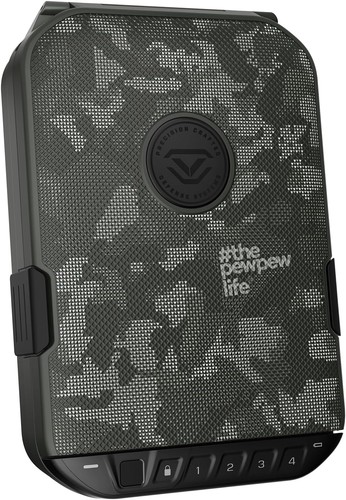
Weatherproof T3 polymer case, biometric lock, and a built-in steel security cable that tethers to any fixed anchor without drilling. TSA-compliant construction also makes it useful for storage that travels between apartments.
Check price on Amazon →STOPBOX Tactical (2-Pack)
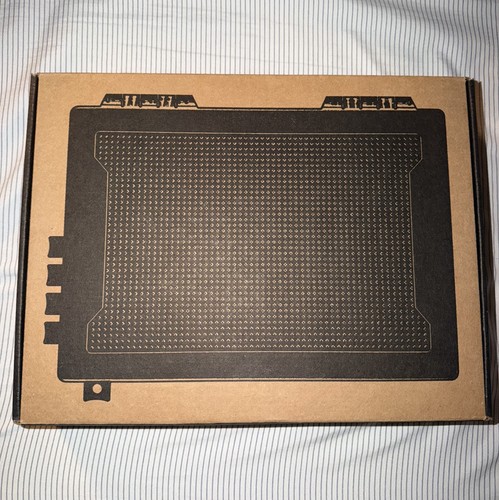
A mechanical push-button release with no battery to die and no electronics to fail after a move sits in storage for a few months. Compact enough to hide on a closet shelf behind folded clothes. This listing is a two-pack, which is why it sits a tier higher than a single unit would; split between a nightstand and a car it is still the value play.
Check price on Amazon →SentrySafe Doc Box
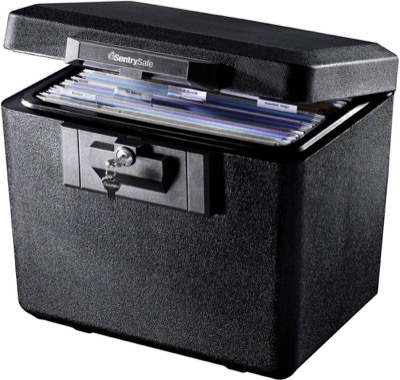
UL fire and ETL water rated, light enough to grab in one trip when a lease ends. A key lock instead of a keypad means nothing to reprogram after every move.
View on Amazon →Renter-Friendly Picks Compared
Specs verified against current Amazon listings July 18, 2026. Price column uses tiers, not exact figures; see the note below the table.
| Safe | Brand | Best For | No-Drill Anchor Method | Price | Link |
|---|---|---|---|---|---|
| Vaultek LifePod 20 | Vaultek | Handgun, travel | Built-in steel security cable | $$$ | View |
| STOPBOX Tactical (2-pack) | STOPBOX | Handgun, quick access | Two-pack, weighted placement, no battery to fail | $$$ | View |
| SentrySafe Doc Box | SentrySafe | Documents | Lightweight, moves in one trip | $$ | View |
| SentrySafe SFW123 | SentrySafe | Documents, valuables | Carry handle plus cable-ready loop | $$$ | View |
| Amazon Basics Safe | Amazon Basics | Small valuables, electronics | Pre-drilled anchor holes for optional cable or bolt | $$ | View |
| ONNAIS Iron PRO | ONNAIS | Handgun | Compact footprint hides on a closet shelf | $$ | View |
| PINEWORLD Biometric | PINEWORLD | Handgun | Compact footprint, voice-guided keypad | $$ | View |
| ENGPOW Accordion | ENGPOW | Documents, files | Folds flat, packs in a moving box | $ | View |
Price tiers are approximate. $ = under $50, $$ = $50 to 150, $$$ = $150 to 300, $$$$ = over $300. Tap any link for the current Amazon price.
Budget Picks for Renters
The under-$50 tier covers most of the document boxes and compact biometric pistol safes in this comparison, and none of them require drilling.
The SentrySafe Doc Box is the lightest full option here, built for renters who move often and do not want to repack a heavy safe every year. UL fire and ETL water ratings cover the basics without adding bulk. Check price on Amazon.
The ONNAIS Iron PRO uses a swift-entry latch and a compact enough shell to sit behind folded clothes on a closet shelf, which matters when concealment is doing more of the security work than mass. View on Amazon.
The PINEWORLD Biometric adds a voice-guided keypad that helps in a dark closet or nightstand drawer where you cannot see the buttons. Check price on Amazon.
The ENGPOW Accordion folds flat when empty, which is the single most renter-friendly trait in this comparison: it packs into a moving box instead of taking up its own carton. Fine for paper documents, not built for anything requiring impact resistance. View on Amazon.
Mid-Tier and No-Drill Picks
The $50 to $150 band is where mechanical reliability and cable-ready anchor points show up.
The STOPBOX Tactical skips electronics entirely. A mechanical push-button release means no battery to die while the safe sits unopened for a few months between moves, and no keypad to reprogram at the next address. Note that the linked listing is a two-pack of the full-size unit, not a single box. Check price on Amazon.
The SentrySafe SFW123 steps up to a UL 1-hour fire rating and a carry handle that doubles as a cable-loop point, giving it more capacity than the Doc Box while staying within reach of a rental-friendly anchor method. It's a natural next step if you've already read our fireproof document safe comparison and want more capacity than a basic box. View on Amazon.
The Amazon Basics Safe ships with pre-drilled anchor holes, so tenants with landlord permission can bolt it in, and those without can run a cable through the same holes instead. That flexibility is why it belongs in a rental comparison instead of a home-only one. Check price on Amazon.
The Premium Upgrade
The Vaultek LifePod 20 is the premium pick in this comparison. Weatherproof T3 polymer construction, a biometric lock, a removable interior tray, and a factory steel security cable built specifically for tethering to a fixed object without drilling. It is also TSA-compliant, which matters for renters who travel between a leased apartment and a family home and want one case that works in both places. If you're deciding between this and its California DOJ roster-listed sibling, our Vaultek vs RPNB comparison breaks down the difference. Check it on Amazon.
What Renters Report
Themes pulled from verified-purchase Amazon reviews and active subreddits (/r/CCW, /r/guns, /r/preppers, /r/personalfinance) as of July 2026:
- Cable tethering comes up constantly in renter-specific reviews. Owners who cannot drill report looping the included cable around a closet rod, a radiator pipe, or a bed frame leg as the standard workaround, and several note that a determined thief with bolt cutters can still defeat it given enough uninterrupted time.
- Weight is treated as a security feature, not just a moving inconvenience. Reviewers on the lighter document boxes acknowledge the tradeoff directly: easy to pack for a move also means easy to carry out during a burglary, which is why concealment placement gets mentioned almost as often as the lock mechanism itself.
- Mechanical, battery-free locks draw praise for infrequent use. Owners who store a safe for months between apartments consistently flag dead batteries as the top complaint on electronic models, and mechanical designs like STOPBOX avoid that failure mode entirely.
- Landlord alterations clauses come up more than expected. Several threads describe tenants checking their lease's alteration language before drilling anything, and choosing a no-drill safe specifically to avoid the conversation with a landlord altogether.
- Fire rating gets deprioritized for gun safes but not for document boxes. Buyers shopping for a pistol safe rarely mention fire protection in reviews; buyers shopping for a document box almost always do, since paper does not survive a house fire the way a firearm often does.
These notes are aggregated from public reviews. Safe Picked does not own or test the products listed and does not make first-person claims about hands-on use.
Jacob’s read on this category
Renters solve a different problem than homeowners. A homeowner asks which safe resists the longest attack; a renter asks which safe survives a lease they might not renew and a landlord who will not let them touch the drywall. That reframes the whole shopping list: cable-tether points matter more than bolt-down mass, weight becomes a two-sided tradeoff instead of a pure security win, and a safe that folds flat or fits in a moving box has real value that a spec sheet does not capture. None of the eight picks here assume you own the walls around them, and that is the filter every other "best safe" list on the internet skips.
Rental Storage Questions
Can I use a safe in an apartment without drilling into the floor or wall?
Yes. Most leases prohibit permanent anchor holes, so the practical alternative is a steel security cable looped through a closet rod, a fixed shelf bracket, or a heavy piece of furniture the landlord already owns. The Vaultek LifePod 20 ships with a cable built in; other safes work with a separate braided steel cable through their factory anchor points.
How do I secure a portable safe if I cannot bolt it down?
Weight and concealment do most of the work. A safe in the 15 to 25 pound range discourages a quick grab but stays movable at lease-end. Placing it inside a closet, out of sight from a doorway, and cable-tethering to a fixed anchor point covers most of the realistic risk in a rental.
Is a cable-tethered safe as secure as one bolted to a slab?
Not quite, but it closes most of the gap. A quality braided steel cable resists bolt cutters longer than an opportunistic thief usually has time for. It will not stop an angle grinder, but the realistic goal for a rental is slowing down opportunistic theft, not defeating a prepared, tooled-up burglar.
What size safe fits in a typical apartment closet?
A single-pistol or small document safe in the 6 to 12 inch footprint range fits a standard closet shelf without crowding it. Larger document boxes run closer to 12 to 15 inches and suit floor placement behind hanging clothes better than a shelf.
Do landlords or lease agreements restrict gun safes in rental units?
Lease terms vary, and some prohibit wall or floor penetration without written permission, which rules out bolt-down anchoring, not ownership. Check the lease's alterations clause first. A cable-tethered or weighted-placement safe avoids the issue since it needs no permanent modification to the unit.
Our Renter-First Criteria
Picks are limited to safes with live Amazon US listings, and those listings get a weekly re-check for availability and price-tier drift.
Picks for this comparison are scored on four rental-specific factors: no-drill anchor method (cable point or weighted placement), weight relative to portability, footprint against standard closet shelf dimensions, and lock reliability during long stretches of infrequent use between moves.
If you spot a product that has been discontinued or specs that have changed, let us know.